
When Hair Becomes a Barrier: What 297 Young People Taught Us About Early Intervention in Woolwich
In policy discussions, youth isolation is often described in abstract terms. In Woolwich, it looks very different. It looks like a 14-year-old girl avoiding half term because she is mocked for wearing the same hairstyle all term. It looks like young people staying indoors not because they want to, but because visibility feels unsafe.
At Pretty Hearts CIC, we do not begin with theory. We begin with what young people tell us.
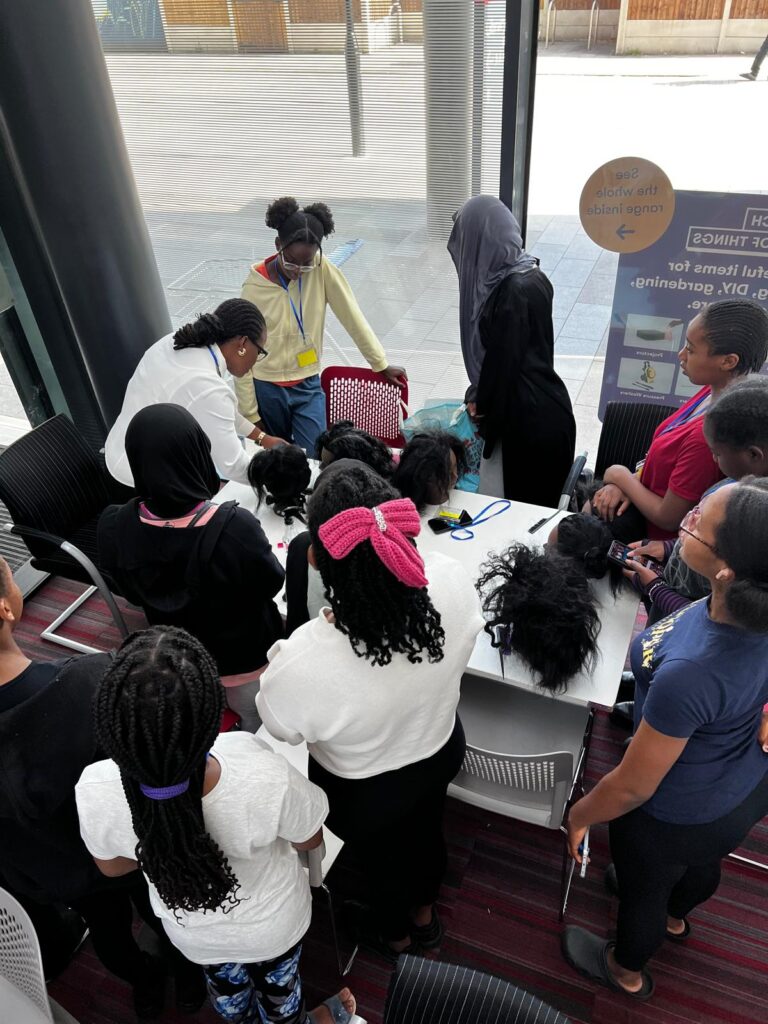
Over the past 12 months, we have supported 297 young people through culturally responsive, youth-led programmes delivered across Woolwich and the Royal Greenwich borough. One of the most revealing programmes was our two-week Afro hair care workshop for girls aged 11–18.
Hair, for many Black young people, is not cosmetic. It is identity, confidence, belonging, and in many cases, financial strain. Professional Afro hair care is costly. For families already managing limited income, repeated salon visits are not always possible. The result is not simply aesthetic. It becomes social. It becomes psychological.
One participant, aged 14, shared privately that she avoided social spaces during school holidays because she was laughed at for wearing the same hairstyle repeatedly. That level of withdrawal does not show up in statistics. It shows up in lived experience.
Our workshop addressed practical skills, but it also addressed dignity. It concluded on International Women’s Day, with mothers invited to celebrate their daughters’ progress. It became intergenerational. It became restorative.
This pattern has repeated across our work:
- Easter Painting for Wellbeing, where 22 young people used expressive art to communicate emotional pressures linked to school, home, and community life. Withdrawn participants gradually re-engaged through creative expression.
- Youth-Led Cooking Workshops, attended by 27 young people, where cultural meals became a source of pride and family reconnection. One parent later donated £20 voluntarily after witnessing her daughter’s renewed confidence at home.
- Sewing Skills Workshops, attended by 19 young people, responding directly to parental concerns about affordability of clothing repairs.
- Hair Braiding Classes, where 60 young girls participated and 70 more were placed on a waiting list due to limited tools and space.
These are not extracurricular activities. They are structured early intervention responses shaped directly by youth polls and parental feedback.
The demand is not speculative. It is documented. It is photographed. It is sustained.
Early intervention is often described as preventative. In practice, it means preventing isolation from becoming disengagement. Preventing disengagement from becoming exclusion. Preventing exclusion from becoming crisis.
The question is not whether grassroots organisations can deliver this work. We already are. The question is whether systems and sponsors will recognise that culturally specific, community-led responses are not optional add-ons, but essential infrastructure.
Pretty Hearts CIC is not waiting for permission to serve. But sustainable delivery requires partners willing to invest in prevention before consequences escalate.
This work is already happening in Woolwich. The opportunity now is to strengthen it.

No comment yet, add your voice below!