What Happens If This Work Is Not Funded

If delivery stops:

  • Young people from marginalised backgrounds return to isolation during school holidays
  • Some resume unsupervised time in public spaces
  • Skills training pathways disappear
  • Cultural identity support weakens
  • Community-led prevention efforts are reduced

The risks do not pause because funding has not been secured.

What Sustainability Looks Like

We are not seeking rapid expansion. We are seeking stability and continuity.

Funding now would allow us to:

  • Deliver consistent half-term enrichment programmes
  • Secure tools and equipment for skills training
  • Establish a permanent Hair Braiding Academy responding to documented demand
  • Pay facilitators and leadership fairly
  • Increase capacity to serve young people currently on waiting lists
  • Strengthen safeguarding and venue access

This is about reinforcing a functioning model, not experimenting with a new one.

Why This Is The Moment

  • Demand is proven
  • Community trust is established
  • Programmes are operational
  • Parents are engaged
  • Young people are actively participating

What is missing is sustained financial backing.

Funding Pretty Hearts CIC now means strengthening an existing, community-led response serving young people from Black and ethnic Minority group and young people from marginalised backgrounds before instability forces contraction.

What Partnership Can Look Like

We welcome:

  • Corporate sponsorship and CSR partnerships
  • Programme-specific funding
  • Multi-year grant commitments
  • In-kind equipment support
  • Strategic advisory partnerships
  • Site visits and institutional collaboration

This work is transparent, accountable, and measurable.

You are Invited

Pretty Hearts CIC has chosen action where delay would have consequences.

We are seeking partners who recognise that early intervention for young people from Black and ethnic Minority group and young people from marginalised backgrounds is not optional — it is essential.

If your organisation is committed to measurable community impact in Woolwich and Royal Greenwich, we invite you to begin a conversation today.

Start a Conversation
Partner With Us (Contact us here:+44 7448008557)
The Barrier Is Structural, Not Impact-Based

Despite demonstrated delivery, Pretty Hearts CIC has been repeatedly disqualified from grant funding due to income turnover thresholds that disadvantage small, grassroots organisations serving young people from Black and ethnic Minority group and young people from marginalised backgrounds.

We are required to demonstrate financial scale before being trusted with the funding required to build it.

Meanwhile, young people continue to attend.
Parents continue to request more provision.
Waiting lists continue to grow.

What Happens When Grassroots Organisations Are Asked to Prove Themselves Twice

Across the UK, funding frameworks increasingly require evidence of turnover, reserves, and prior income before organisations become eligible for grants. While designed to reduce financial risk, these requirements disproportionately affect small, Black-led community organisations working at grassroots level.

For the past two years, Pretty Hearts CIC has experienced this barrier directly.

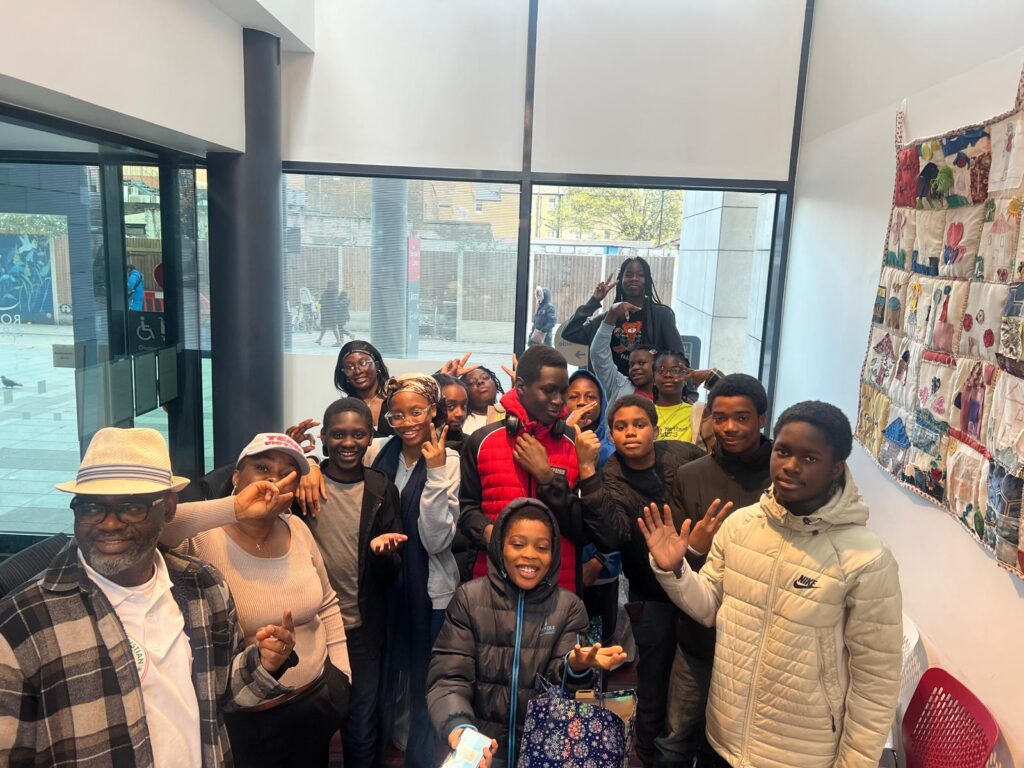
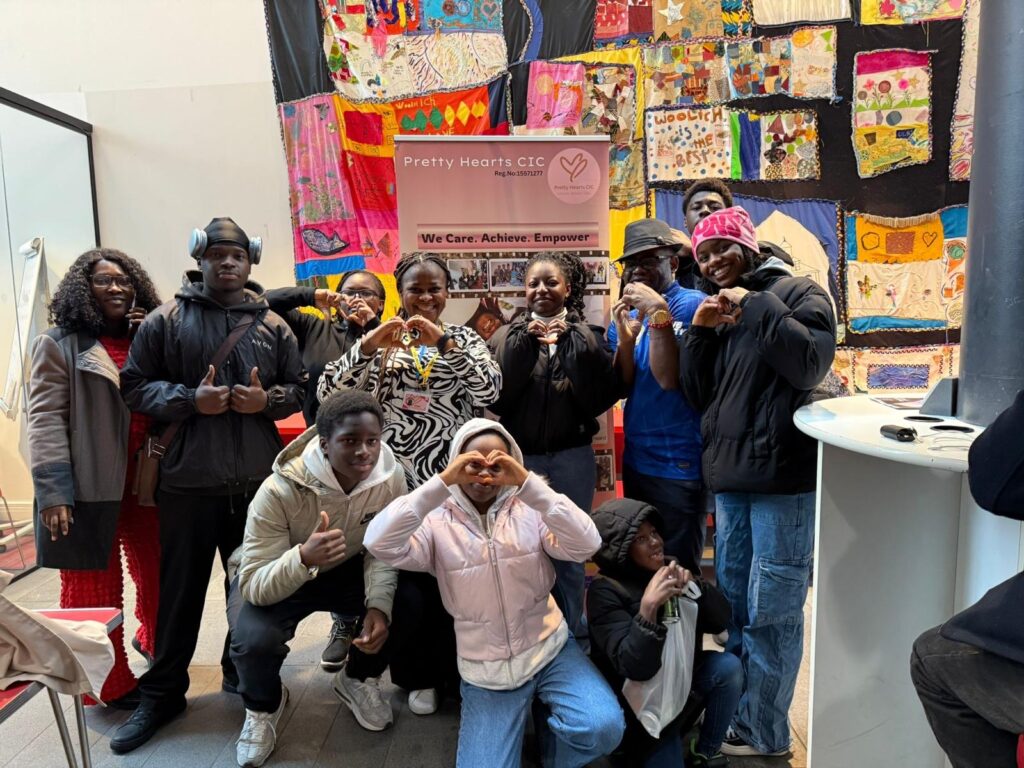
We have delivered programmes supporting 297 young people in 12 months. We have evidence of participation, waiting lists, parental engagement, safeguarding protocols, and documented outcomes. Yet we are often disqualified at application stage due to income thresholds.

This raises a structural question.

If grassroots organisations are required to demonstrate income before being trusted with income, how are emerging community-led models expected to grow?

Our experience is not unique. It reflects a broader tension within funding ecosystems: the desire to support innovation while favouring financial stability that many grassroots groups have not yet been resourced to build.

Meanwhile, the need continues.

In Woolwich, we have:

  • Delivered youth-led football and sports days attended by 41 young people.
  • Hosted Black History Month photography and storytelling workshops celebrating African culture across Royal Greenwich.
  • Run culturally responsive mental health sessions attended by 47 young people, facilitated by an African mental health practitioner who used folklore to reduce stigma and encourage dialogue.
  • Provided safe, supervised spaces during school holidays to prevent isolation and unsupervised street exposure.

None of this has paused while funding decisions were pending.

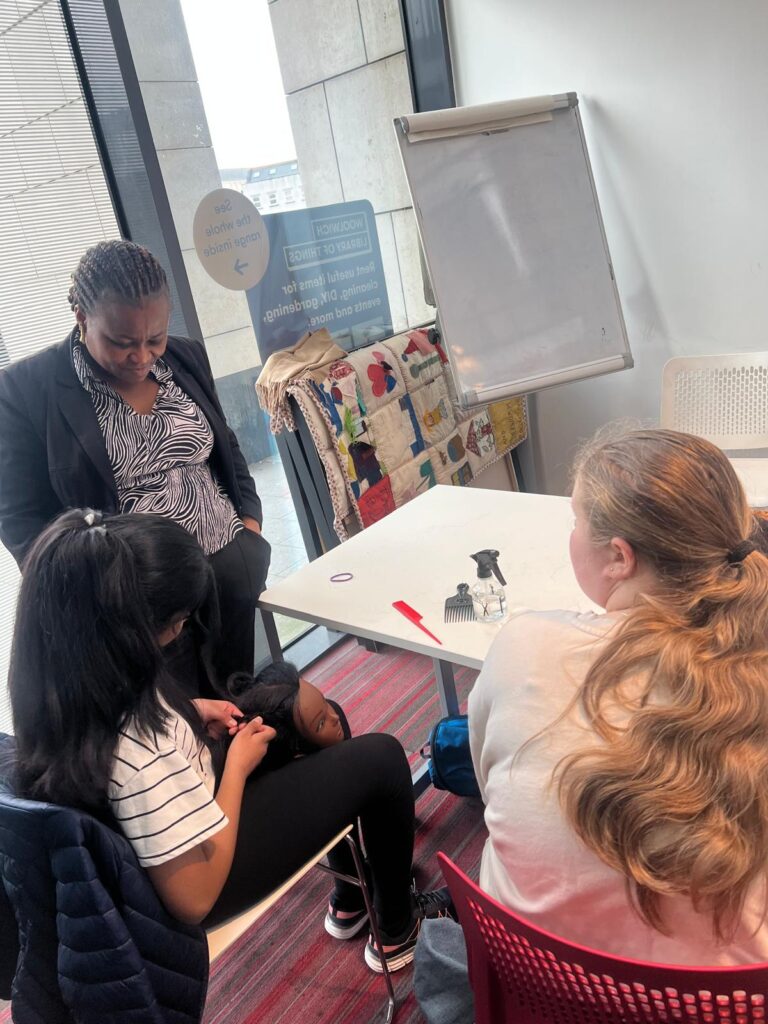
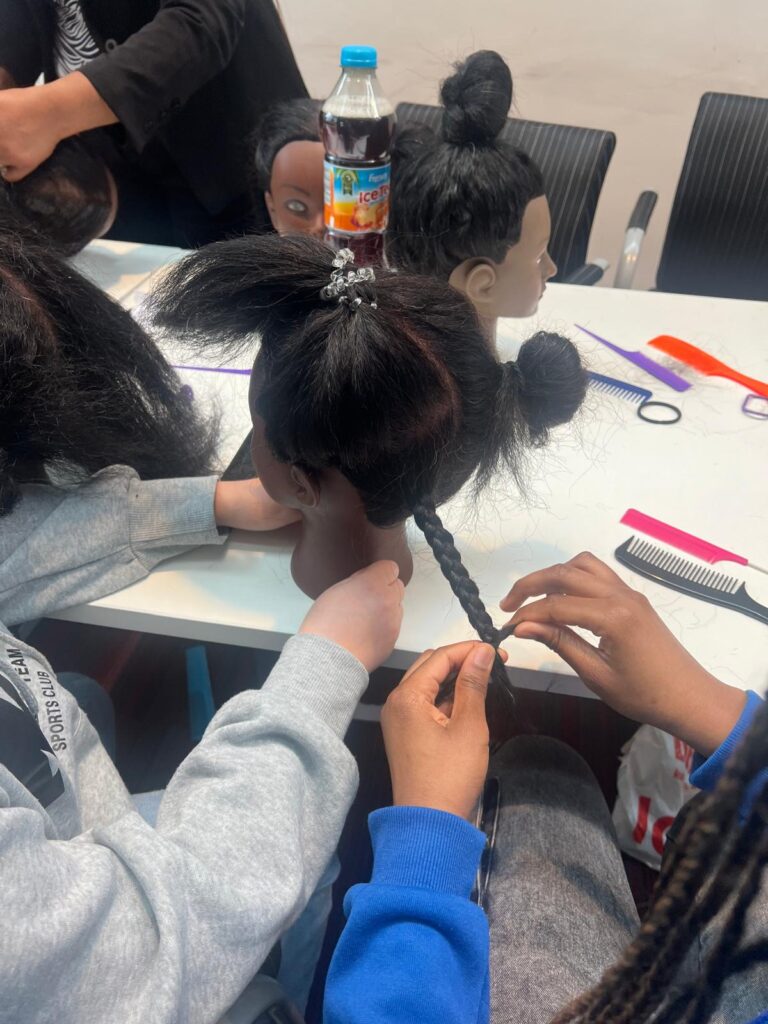
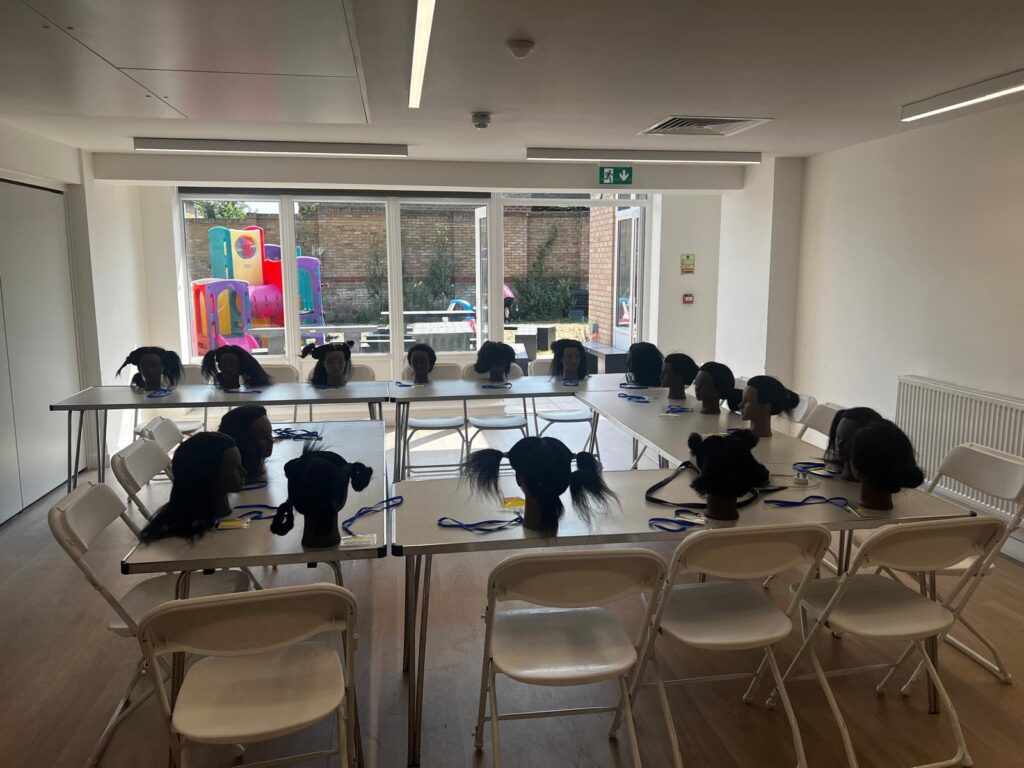
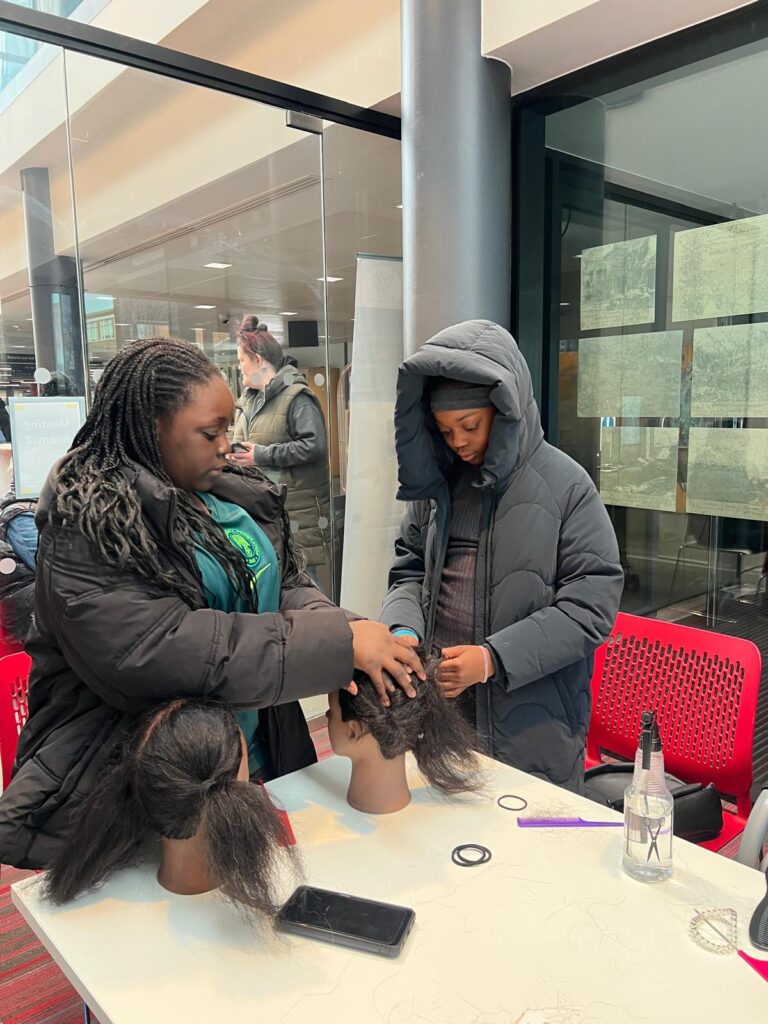
The personal cost has included self-funding essential equipment such as mannequin heads and braiding stands required for training workshops. Demand has exceeded supply, with waiting lists forming due to limited tools and venue capacity.

If this work were to stop, the consequences would not be theoretical. Young people have told us directly that without structured activities, holidays become periods of boredom, isolation, or unsupervised time in public spaces.

The sustainability conversation must therefore shift from “Can small organisations manage funds?” to “What community impact is lost when they are not funded?”

Sustainability for Pretty Hearts CIC does not mean rapid scale. It means stability:

  • Securing consistent half-term enrichment delivery.
  • Establishing a permanent Hair Braiding Academy to respond to documented demand.
  • Paying facilitators and leadership fairly.
  • Investing in equipment, safeguarding, and venue stability.

Corporate sponsorship, strategic partnerships, and long-term programme funding would allow us to move from reactive survival to structured continuity.

Grassroots organisations should not have to prove their legitimacy twice — once through delivery and again through financial thresholds that exclude them from the very resources designed to strengthen communities.

The work is visible. The outcomes are documented. The demand is real.

The next chapter depends on who is willing to move from observation to partnership.

The Evidence Is Clear

In the past year alone, we have delivered:

  • Afro hair care workshops restoring dignity, confidence, and identity
  • Youth-led cooking sessions strengthening family engagement and independence
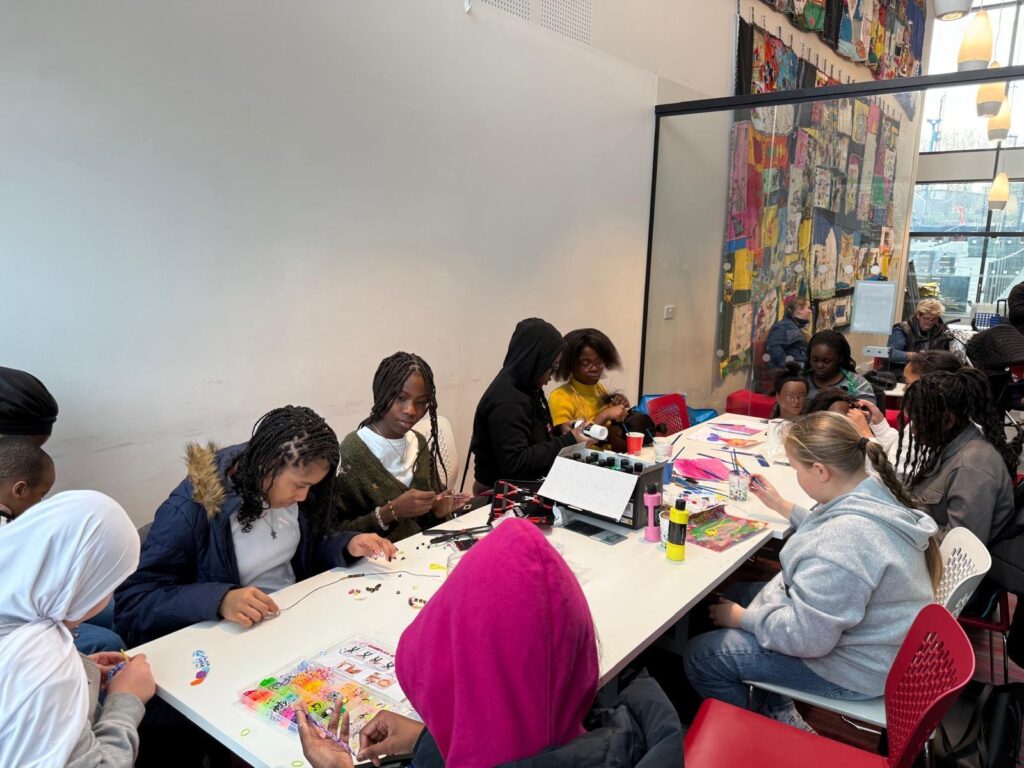
  • Sewing skills workshops improving focus and practical life skills
  • Hair braiding classes with 60 participants and 70 additional young people on a waiting list
  • Expressive art workshops supporting emotional wellbeing
  • Community sports days strengthening peer relationships
  • Black History Month photography and cultural storytelling events
  • Culturally responsive mental health workshops attended by 47 young people

Every programme is shaped by youth polls, safeguarded, documented, and delivered in partnership with families.

Demand consistently exceeds our capacity.

When Hair(Identity) Becomes a Barrier

When Hair Becomes a Barrier: What 297 Young People Taught Us About Early Intervention in Woolwich

In policy discussions, youth isolation is often described in abstract terms. In Woolwich, it looks very different. It looks like a 14-year-old girl avoiding half term because she is mocked for wearing the same hairstyle all term. It looks like young people staying indoors not because they want to, but because visibility feels unsafe.

At Pretty Hearts CIC, we do not begin with theory. We begin with what young people tell us.

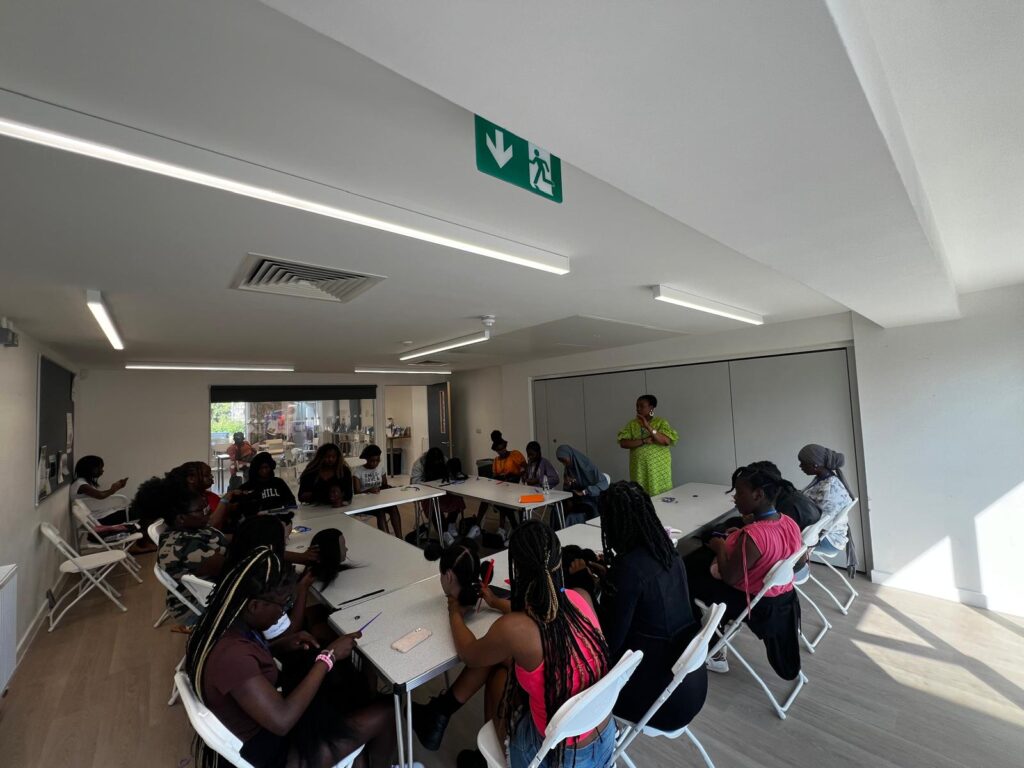
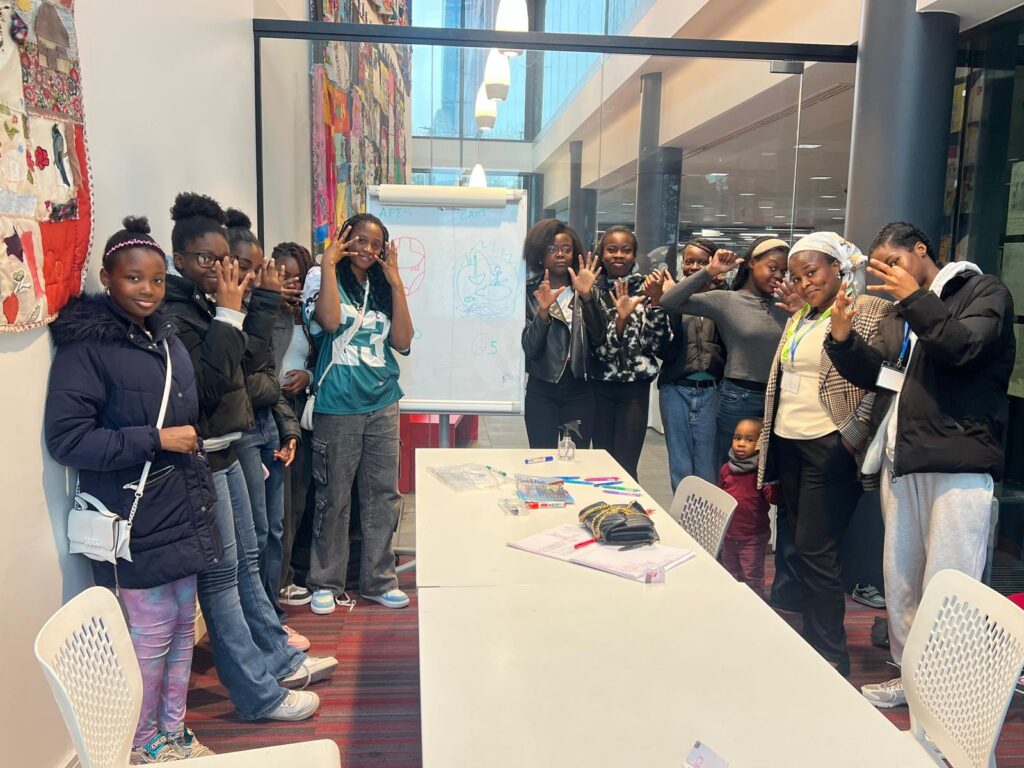
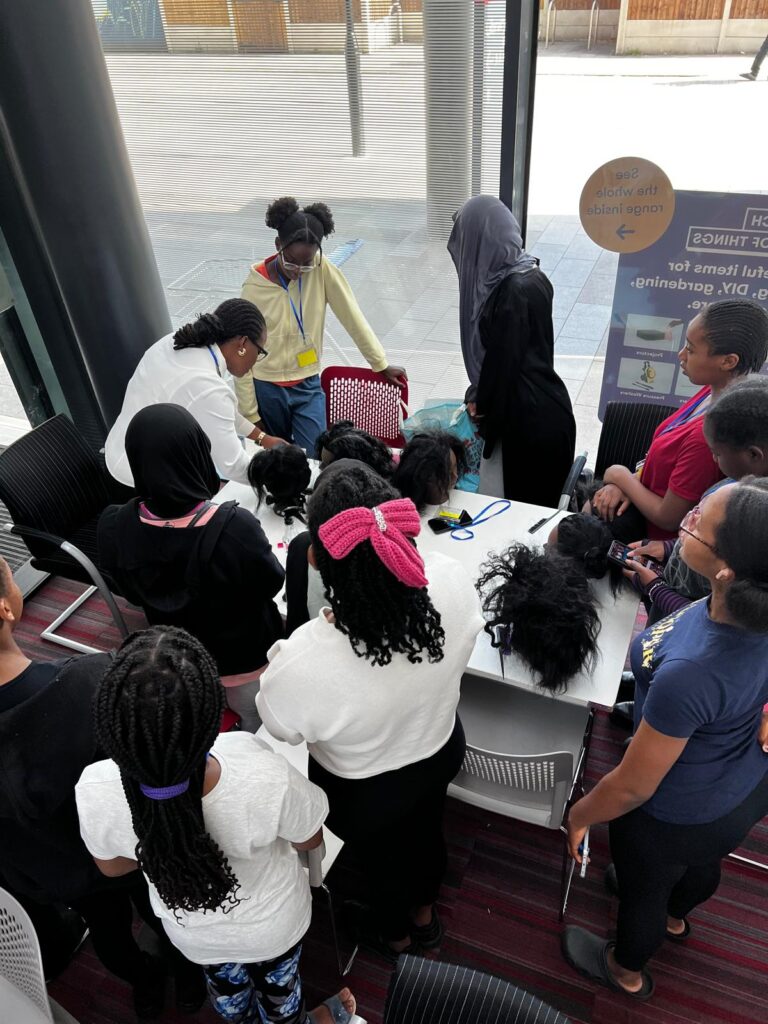
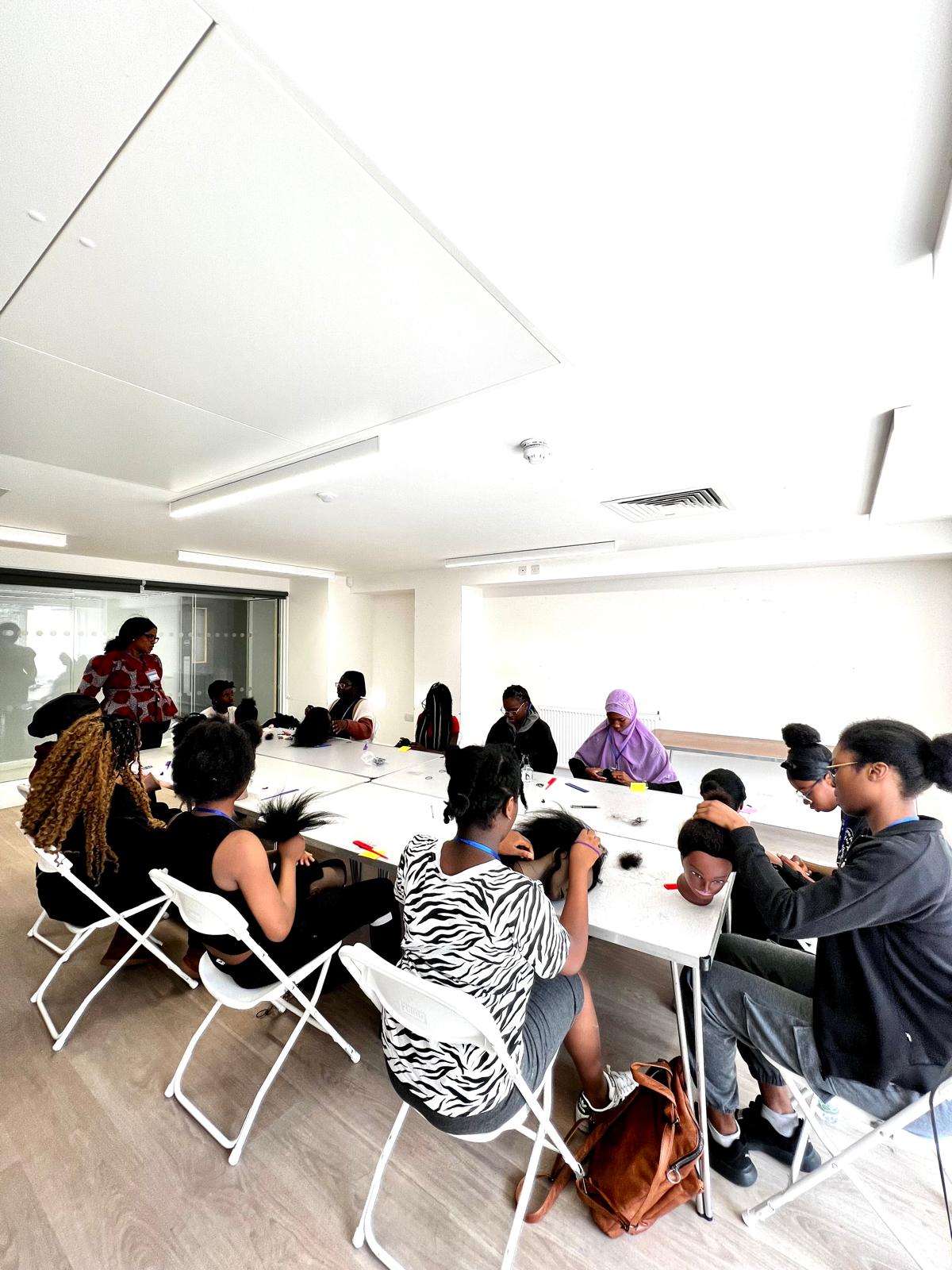
Over the past 12 months, we have supported 297 young people through culturally responsive, youth-led programmes delivered across Woolwich and the Royal Greenwich borough. One of the most revealing programmes was our two-week Afro hair care workshop for girls aged 11–18.

Hair, for many Black young people, is not cosmetic. It is identity, confidence, belonging, and in many cases, financial strain. Professional Afro hair care is costly. For families already managing limited income, repeated salon visits are not always possible. The result is not simply aesthetic. It becomes social. It becomes psychological.

One participant, aged 14, shared privately that she avoided social spaces during school holidays because she was laughed at for wearing the same hairstyle repeatedly. That level of withdrawal does not show up in statistics. It shows up in lived experience.

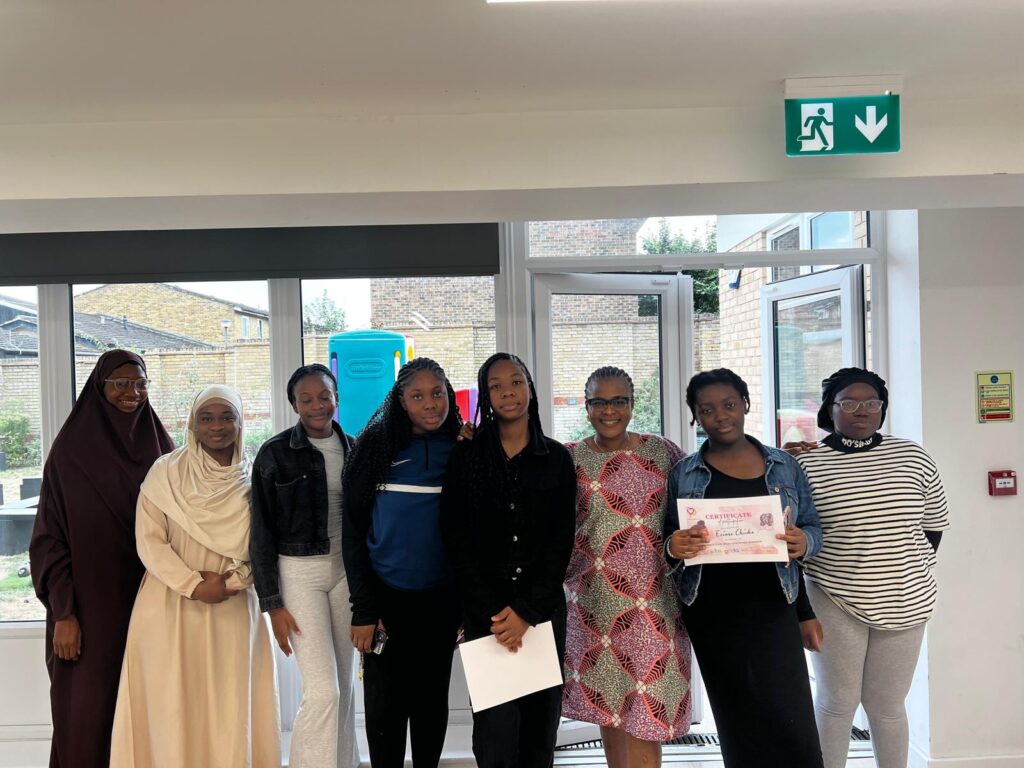
Our workshop addressed practical skills, but it also addressed dignity. It concluded on International Women’s Day, with mothers invited to celebrate their daughters’ progress. It became intergenerational. It became restorative.

This pattern has repeated across our work:

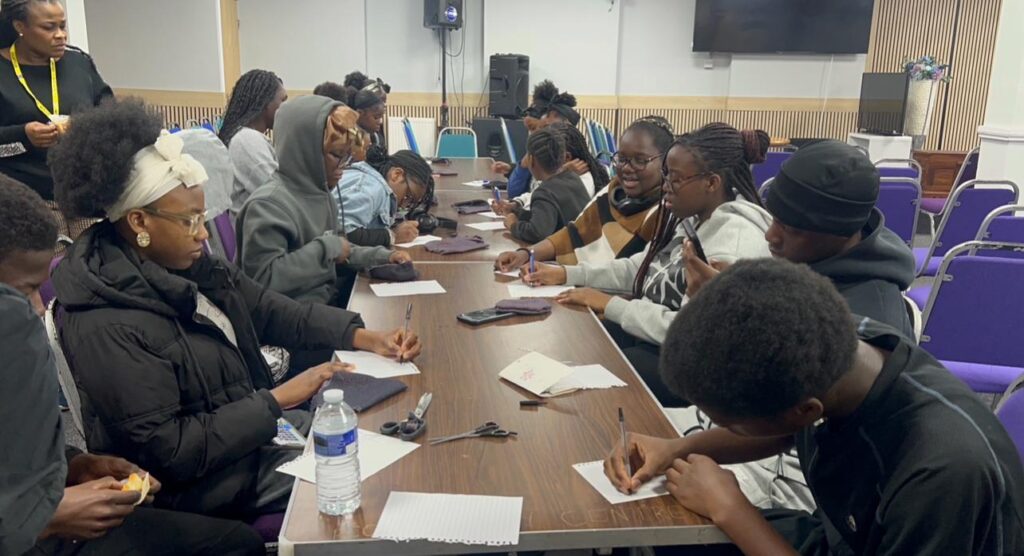
  • Easter Painting for Wellbeing, where 22 young people used expressive art to communicate emotional pressures linked to school, home, and community life. Withdrawn participants gradually re-engaged through creative expression.
  • Youth-Led Cooking Workshops, attended by 27 young people, where cultural meals became a source of pride and family reconnection. One parent later donated £20 voluntarily after witnessing her daughter’s renewed confidence at home.
  • Sewing Skills Workshops, attended by 19 young people, responding directly to parental concerns about affordability of clothing repairs.
  • Hair Braiding Classes, where 60 young girls participated and 70 more were placed on a waiting list due to limited tools and space.

These are not extracurricular activities. They are structured early intervention responses shaped directly by youth polls and parental feedback.

The demand is not speculative. It is documented. It is photographed. It is sustained.

Early intervention is often described as preventative. In practice, it means preventing isolation from becoming disengagement. Preventing disengagement from becoming exclusion. Preventing exclusion from becoming crisis.

The question is not whether grassroots organisations can deliver this work. We already are. The question is whether systems and sponsors will recognise that culturally specific, community-led responses are not optional add-ons, but essential infrastructure.

Pretty Hearts CIC is not waiting for permission to serve. But sustainable delivery requires partners willing to invest in prevention before consequences escalate.

This work is already happening in Woolwich. The opportunity now is to strengthen it.

This work is already happening.

Who will stand behind it?  

We are seeking partners who believe in early intervention, cultural inclusion, and community-led solutions.

Support can include:

  • Corporate sponsorship
  • CSR partnerships
  • In-kind donations
  • Space and equipment support
  • Long-term programme funding

If you are ready to partner with a proven organisation delivering real impact, we want to hear from you today.

CTA BUTTON

Please reach out to us today.

What sustainability looks like for us

Sustainability for Pretty Hearts CIC means stability, not scale for scale’s sake.

Our immediate priorities are:

  • Funding delivery of half-term enrichment programmes
  • Establishing a permanent Hair Braiding Academy
  • Paying facilitators and the founder fairly
  • Securing tools, space, and safeguarding support

Corporate sponsorship, strategic partnerships, and long-term funding will allow us to move from survival to consistency, ensuring young people are not left unsupported when programmes end.

Barriers we continue to face

Despite delivering consistent impact, we are frequently excluded from funding due to income turnover requirements that disadvantage grassroots, Black-led organisations.

Essential equipment costs, including mannequin heads and stands for braiding classes, are currently carried personally by the founder. Partner with us.

Yet demand continues to grow.

What changed 

Key outcomes:

  • Reduced social isolation during school holidays
  • Increased confidence and self-expression
  • Improved parent-child engagement
  • Youth-led decision making
  • Safe, supervised environments
  • Cultural pride and identity affirmation

The Need Is Immediate

Young people from Black and ethnic Minority group and young people from marginalised backgrounds in Woolwich are navigating:

  • Racial abuse and identity-based exclusion
  • Social isolation during school holidays
  • Financial barriers to accessing skills-based activities
  • Cultural underrepresentation within mainstream provision
  • Stigma surrounding mental health conversations

Without structured, supervised, and culturally grounded intervention, isolation deepens and vulnerability increases.

We intervene early, consistently, and responsively.