
Across the UK, funding frameworks increasingly require evidence of turnover, reserves, and prior income before organisations become eligible for grants. While designed to reduce financial risk, these requirements disproportionately affect small, Black-led community organisations working at grassroots level.
For the past two years, Pretty Hearts CIC has experienced this barrier directly.
We have delivered programmes supporting 297 young people in 12 months. We have evidence of participation, waiting lists, parental engagement, safeguarding protocols, and documented outcomes. Yet we are often disqualified at application stage due to income thresholds.
This raises a structural question.
If grassroots organisations are required to demonstrate income before being trusted with income, how are emerging community-led models expected to grow?
Our experience is not unique. It reflects a broader tension within funding ecosystems: the desire to support innovation while favouring financial stability that many grassroots groups have not yet been resourced to build.
Meanwhile, the need continues.
In Woolwich, we have:
- Delivered youth-led football and sports days attended by 41 young people.
- Hosted Black History Month photography and storytelling workshops celebrating African culture across Royal Greenwich.
- Run culturally responsive mental health sessions attended by 47 young people, facilitated by an African mental health practitioner who used folklore to reduce stigma and encourage dialogue.
- Provided safe, supervised spaces during school holidays to prevent isolation and unsupervised street exposure.
None of this has paused while funding decisions were pending.
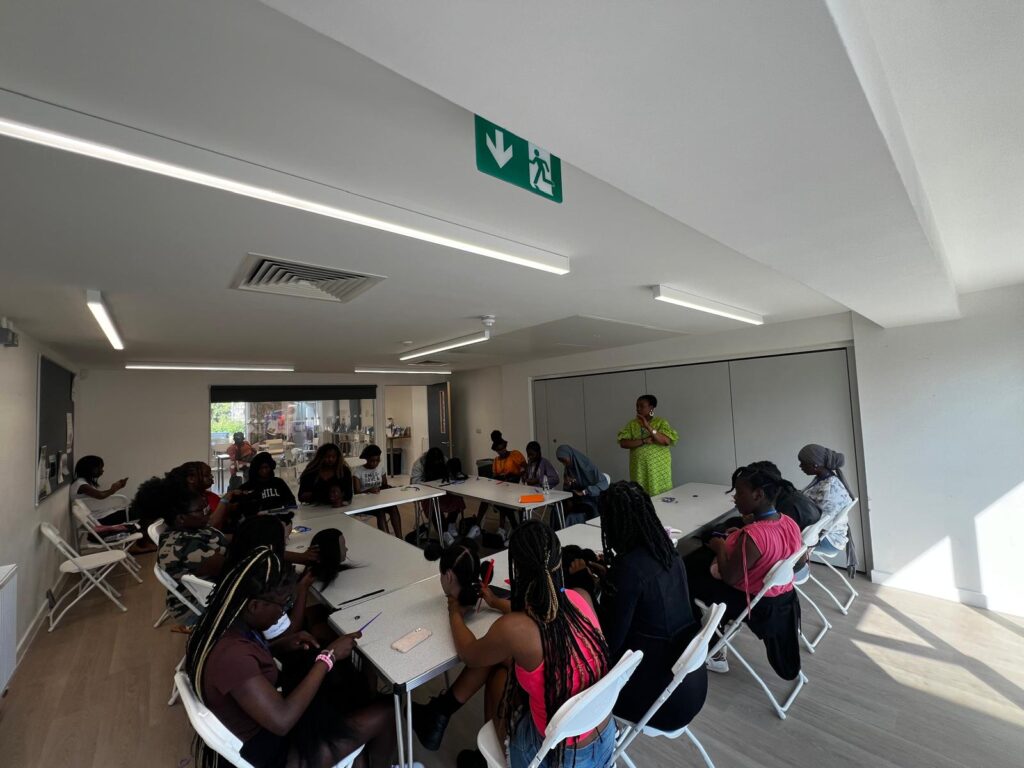
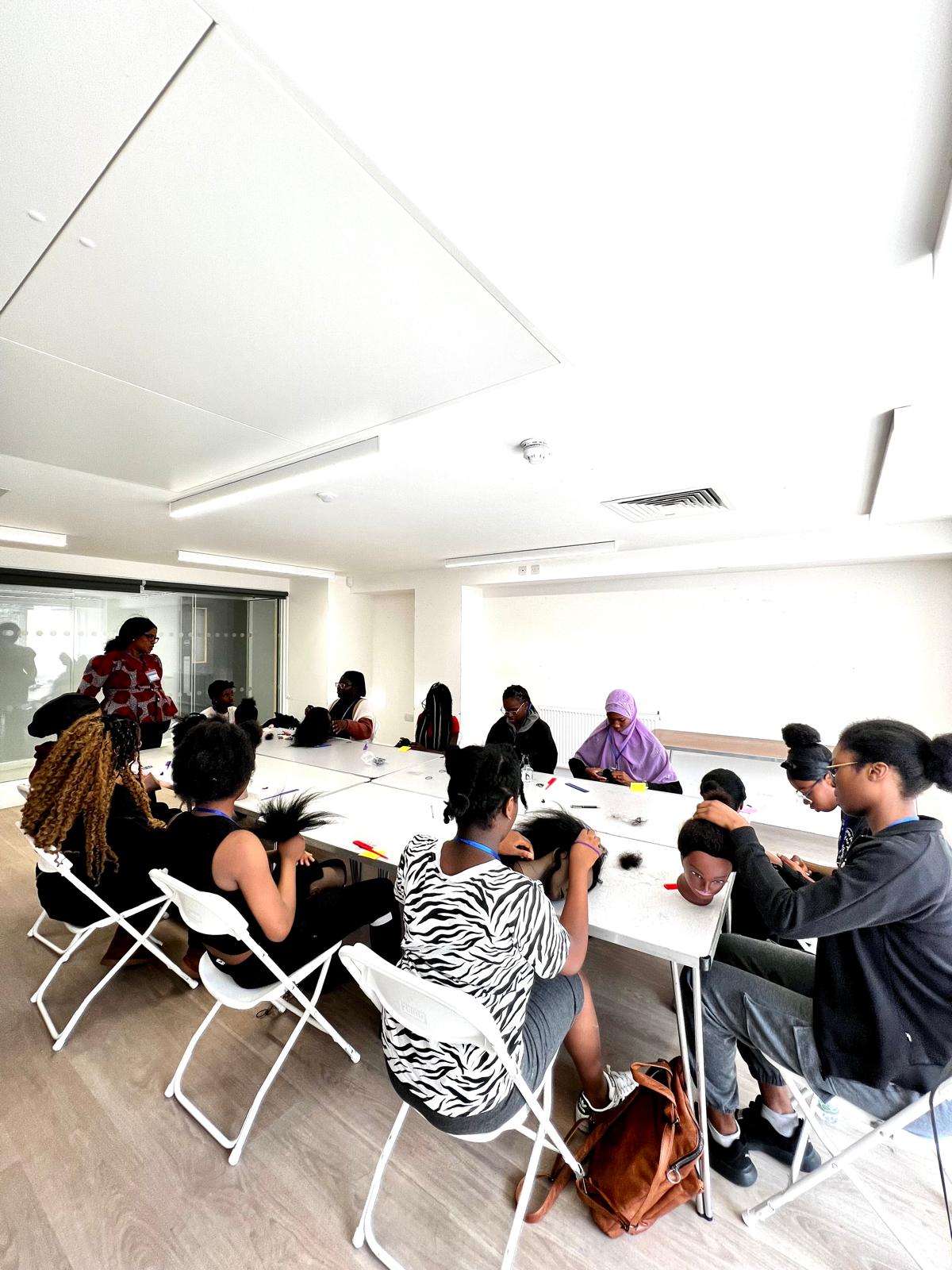
The personal cost has included self-funding essential equipment such as mannequin heads and braiding stands required for training workshops. Demand has exceeded supply, with waiting lists forming due to limited tools and venue capacity.
If this work were to stop, the consequences would not be theoretical. Young people have told us directly that without structured activities, holidays become periods of boredom, isolation, or unsupervised time in public spaces.
The sustainability conversation must therefore shift from “Can small organisations manage funds?” to “What community impact is lost when they are not funded?”
Sustainability for Pretty Hearts CIC does not mean rapid scale. It means stability:
- Securing consistent half-term enrichment delivery.
- Establishing a permanent Hair Braiding Academy to respond to documented demand.
- Paying facilitators and leadership fairly.
- Investing in equipment, safeguarding, and venue stability.
Corporate sponsorship, strategic partnerships, and long-term programme funding would allow us to move from reactive survival to structured continuity.
Grassroots organisations should not have to prove their legitimacy twice — once through delivery and again through financial thresholds that exclude them from the very resources designed to strengthen communities.
The work is visible. The outcomes are documented. The demand is real.
The next chapter depends on who is willing to move from observation to partnership.

No comment yet, add your voice below!